Transform recycled toner and soft plastics into longer-lasting, cost-effective roads with TonerPlas® already trusted by leading councils across Australia.
Explore how TonerPlas® can help your municipality meet sustainability and performance targets.
%208.avif)

Close the Loop’s TonerPlas® proudly featured in the Australian Municipal Yearbook 2025/26, reaching councils nationwide.
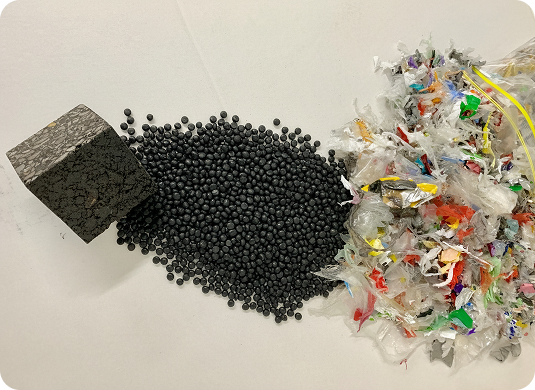
TonerPlas® is an award-winning, Australian-made asphalt additive created by Close the Loop® from recycled printer toner and soft plastics. By using TonerPlas® in road projects, councils can cut landfill waste, lower carbon emissions, and deliver high-performance roads that last longer under traffic stress. Already proven in major projects such as the M80 Freeway upgrade and adopted by councils including Bendigo, Brimbank, Hume and more, TonerPlas® is the go-to solution for local governments committed to sustainable infrastructure.
.png)
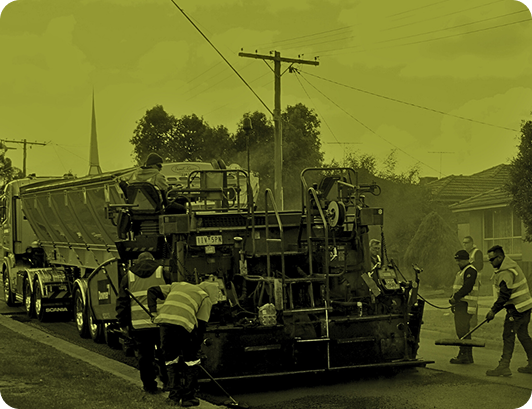
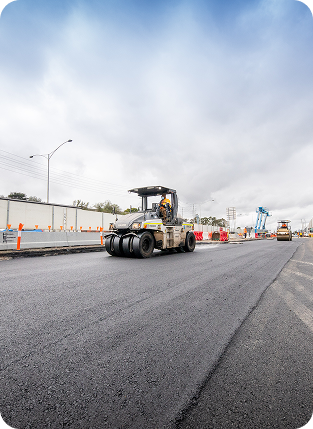
The M80 Ring Road Upgrade (Sydney Road to Edgars Road) is one of Melbourne’s busiest freeways, carrying more than 165,000 drivers daily.
By incorporating TonerPlas®, made from recycled toner and soft plastics, the project:
This landmark project proves how TonerPlas® improves road performance while cutting carbon emissions, setting a new standard for sustainable infrastructure in Australia.
%20(1).png)
Image courtesy of Phelan Media
.png)
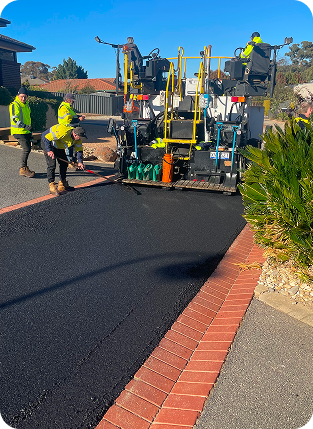
Image courtesy of Brimbank City Council
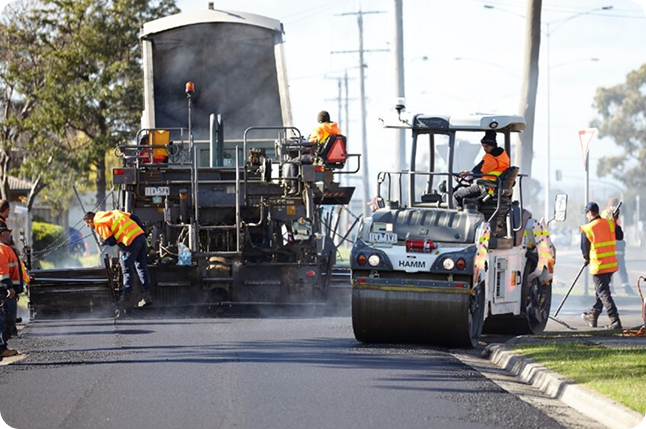
Brimbank City Council became the first local government in Australia to implement a Circular Procurement Contract for road construction, embedding TonerPlas® into council road projects.
By doing so, Brimbank:
This landmark initiative shows how councils can go beyond waste collection to close the loop in their own procurement, building stronger, longer-lasting roads while delivering measurable sustainability outcomes.
.png)
See how Bendigo, Brimbank, and others are already building better roads with TonerPlas®.
used printer cartridges recovered by Close the Loop® since inception, many contributing to TonerPlas® production.
and 122,000 glass bottles diverted per kilometre of Reconophalt® road (using TonerPlas®)
have already trialled or adopted TonerPlas® in road projects.
roads demonstrate improved resistance to rutting and cracking, extending road life and reducing maintenance interventions.
Councils hold the power to drive Australia’s transition to a Circular Economy. By adopting Circular Contracts, local governments can ensure the plastics collected in their community are transformed into valuable infrastructure.
With TonerPlas®, that means:
This “buy back what you recycle” model ensures community waste becomes stronger, longer-lasting, and lower-maintenance roads.



Certified Zero Waste to Landfill operations
Case Studies: M80 Freeway Upgrade, Bendigo Council, Brimbank Council
Partners: Downer, 30+ councils nationwide, leading OEMs
Awards & Recognition: National sustainability and circular economy awards recognising Steve Morriss and Close the Loop
Does the asphalt production process need to be adjusted when using TonerPlas®?

No. TonerPlas is designed to blend and homogenise into the asphalt and binder matrix under standard asphalt mix conditions. TonerPlas is suitable for both hot and warm mix.
Tonerplas was designed to enhance conventional bitumen such as C170 and C320. It was not designed to replace PMB grades. In some cases TonerPlas may be used to offset a percentage (in the region of 10%) of PMB grades for state road applications – this is an area of ongoing study and product development.
Does TonerPlas® replace conventional PMB?
No. TonerPlas is designed to be used with the binder chosen for a particular mix design. It will increase the softening point and enhance elasticity, without significantly affecting low temperature modulus / stiffness. In C170 and C320 bitumen, TonerPlas will significantly enhance the viscoelastic properties.
How recyclable is RAP that contains TonerPlas®?
When TonerPlas is introduced into the asphalt mix, it melts and homogenises with, and becomes part of the binder matrix. Like other polymer modified binders (SBS and EVA), the polymers in TonerPlas are thermoplastic and will dissolve in the binder matrix when RAP is reprocessed. The presence of polymer modified binder in the RAP does not
necessitate changes to the RAP processing procedures. RAP with TonerPlas is processed as per ‘AAPA Reclaimed Asphalt Pavement (RAP) Management Plan’.
https://www.aapa.asn.au/wp-content/uploads/2018/06/AAPA-RAP-Management-plan-12-June-2018.pdf
How many plastic bag equivalents are reused per kilometre of TonerPlas® road?
Every 1 km of road* paved with TonerPlas modified asphalt uses approximately:
* Top layer wearing course of a standard two lane suburban road
How does TonerPlas® fit into the Austroads system?
There are no existing standards for plastics use in asphalt. Current asphalt mix designs are material specific and design specific. TonerPlas is an innovation that sits outside of the current prescriptive specification framework for asphalt mix designs.
For asphalt mixes containing TonerPlas, asphalt manufacturers can register new ‘conditional mix designs’ with state DOT’s. Once a ‘conditional mix design’ is approved and registered, it can be specified for jobs.
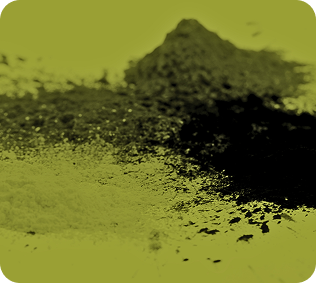
Where does the waste toner powder in TonerPlas® come from?
Close the Loop operates over 30,000 active cartridge collection sites across Australia, including through programs like Cartridges 4 Planet Ark. Since opening in Melbourne 25 years ago, we’ve grown into the largest business of our kind globally, with facilities across three continents.
The waste toner powder collected through these programs is processed and refined at our facilities. While it forms a small part of the TonerPlas® formula, it plays an important role in strengthening the asphalt and delivering better-performing, longer-lasting roads.
See how TonerPlas® can help your municipality meet sustainability and performance targets.
Explore real examples of how Australian councils are building greener, longer-lasting roads with TonerPlas®.


%208.avif)