Circular Solutions

1800 24 24 73
Circular SolutionsIT RefurbBattery Recycling BoxCosmetics RecyclingPrint Consumables RecyclingrFlex Recycled PlasticsSoft Plastics RecyclingTonerPlas Road Surfacing
.png)
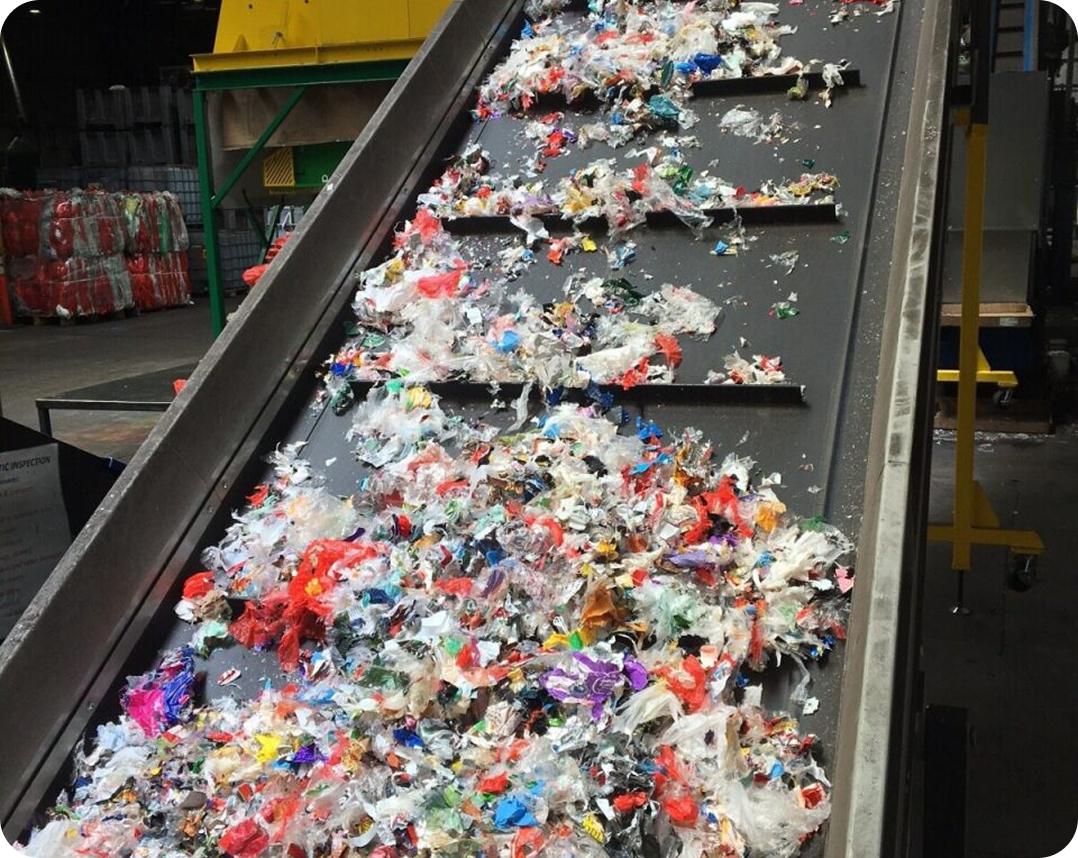
Australia generates around 360,000 tonnes of soft plastic packaging each year, yet recovery remains below 5 per cent.
When recycling systems fail, these materials are either exported, stored, or landfilled, costing millions in lost resources that could be reused.
Freight and processing costs continue to rise, while the burden of recycling is too often left with collectors alone.
Without strong end-market demand, even the best recycling systems cannot succeed.
.png)
Close the Loop’s soft-plastics recovery framework centres on partnership and accountability, not one-way collection.
We work with local government, brand owners, and industry on Circular Agreements, simple, practical, measurable collaborations that ensure recovered material flows back into new products.
Each partnership operates on a mass-balance model, where:
This approach keeps the system balanced, maintaining feedstock integrity, supporting local manufacturing, and delivering verified ESG outcomes.
.png)
Our immediate priority is to partner with Victorian councils and local industry to develop a Lighthouse Model for circular soft-plastics recovery.
This pilot will demonstrate how councils, recyclers, and manufacturers can collaborate to collect, process, and repurpose flexible plastics at scale, ensuring every tonne collected finds a valuable second life. Once proven, this framework will expand nationally and enable other recyclers to deliver their soft-plastic materials to Close the Loop® for reuse, while still accessing recycled products or credits through the same mass-balance system.
.png)
Councils and industry partners collect and bale soft plastics for transport.
.png)
Materials are shredded, agglomerated, and compounded into recycled feedstock.
.png)
Recovered materials are used in:
.png)
Partners reinvest recycled content into new products or infrastructure, closing the loop.
Circularity only works when everyone plays their part.
When councils, brand owners, and recyclers share investment in freight, processing, and buy-back, the system becomes economically and environmentally sustainable.
This collaboration also builds resilience, reducing landfill dependency, stabilising local feedstock, and ensuring that what’s collected truly becomes something new.
Because nothing is genuinely recycled until someone chooses to buy recycled content.
.png)
At the forefront of soft plastics recycling innovation in Australia
1,500+ km of road paved using TonerPlas® (which includes recycled soft plastics)
Multiple industry applications: furniture, packaging, construction, and infrastructure
Zero landfill policy for collected eligible soft plastics
Reduces soft plastic pollution and landfill reliance
Keeps plastic resources in use through closed-loop systems
Contributes to National Packaging Targets and ESG goals
Supports Net Zero and zero waste-to-landfill commitments


We’re building a national model that rewards responsibility and innovation, starting in Victoria.
If your organisation generates, handles, or processes soft plastics and wants to be part of a real circular solution, let’s build it together.
.png)
Explore how Close the Loop® recovers everything from toner and cosmetics to electronics and batteries.
%208.avif)
Does Close the Loop® accept waste from households?

No, Close the Loop® does not accept household waste and rubbish - that’s for your local government to handle.
Where do we receive soft plastics from?
Close the Loop® accept soft plastics direct from councils as well as industry partners and retail store drop-off programs. We do not receive soft plastics direct from consumers, however we encourage the community to engage with their local councils to determine available recycling programs in their area, or check the Recycle Mate App.
Where does Close the Loop® recycle soft plastics?
Close the Loop® is building a network of collaborative recyclers to reduce the carbon footprint of shipping baled soft plastics. These partner recyclers sort, shred, wash and compound the mixed soft plastics into a form the Close the Loop® buy back as feedstock for TonerPlas.
Why does Close the Loop® use recycled soft plastics to create TonerPlas®?
Technical Perspective: The polymers in mixed soft plastics are well suited for asphalt modification because they have a low melting point and other properties that enhance the performance of bitumen.
Environmental Perspective: Flexible packaging is the fastest-growing packaging category, yet it has the lowest recycling rate. Soft plastics are not represented in the kerbside recycling stream, and approximately 450,000 tonnes are landfilled in Australia per year. TonerPlas® provides a key end market for these problematic materials and a high-value recycled content product.
How many soft plastics does TonerPlas® use?
Every 1 km of road* paved with TonerPlas® modified asphalt uses approximately:
Stay current on Industry Updates & Circular Innovation
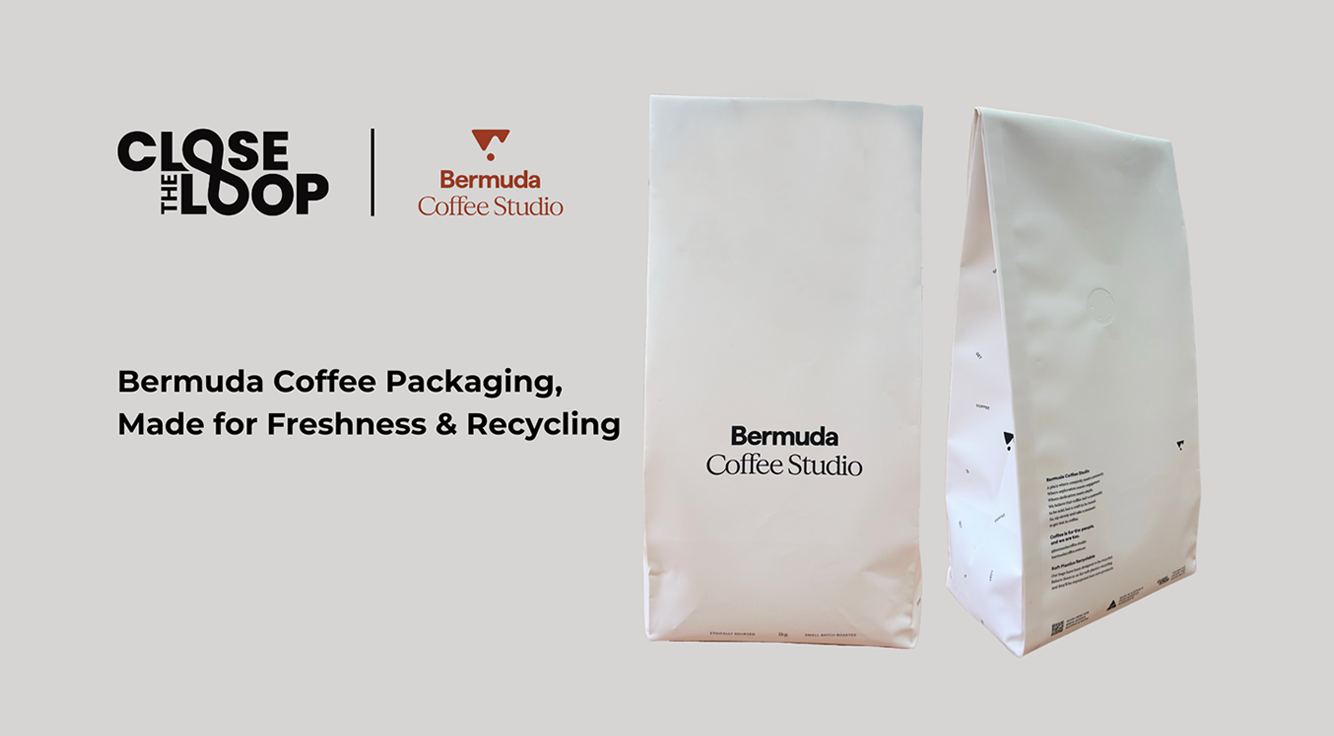
Coffee roasters have worked to build strong partnerships throughout their supply chain in order to...
As our lives continue to become increasingly interwoven with technology, our reliance on battery-operated products...
With National Recycling Week approaching, it’s the perfect time to reflect on the growing e-waste...
Coffee roasters have worked to build strong partnerships throughout their supply chain in order to...
As our lives continue to become increasingly interwoven with technology, our reliance on battery-operated products...
With National Recycling Week approaching, it’s the perfect time to reflect on the growing e-waste...


