Circular Solutions

1800 24 24 73
Circular SolutionsIT RefurbBattery Recycling BoxCosmetics RecyclingPrint Consumables RecyclingrFlex Recycled PlasticsSoft Plastics RecyclingTonerPlas Road Surfacing
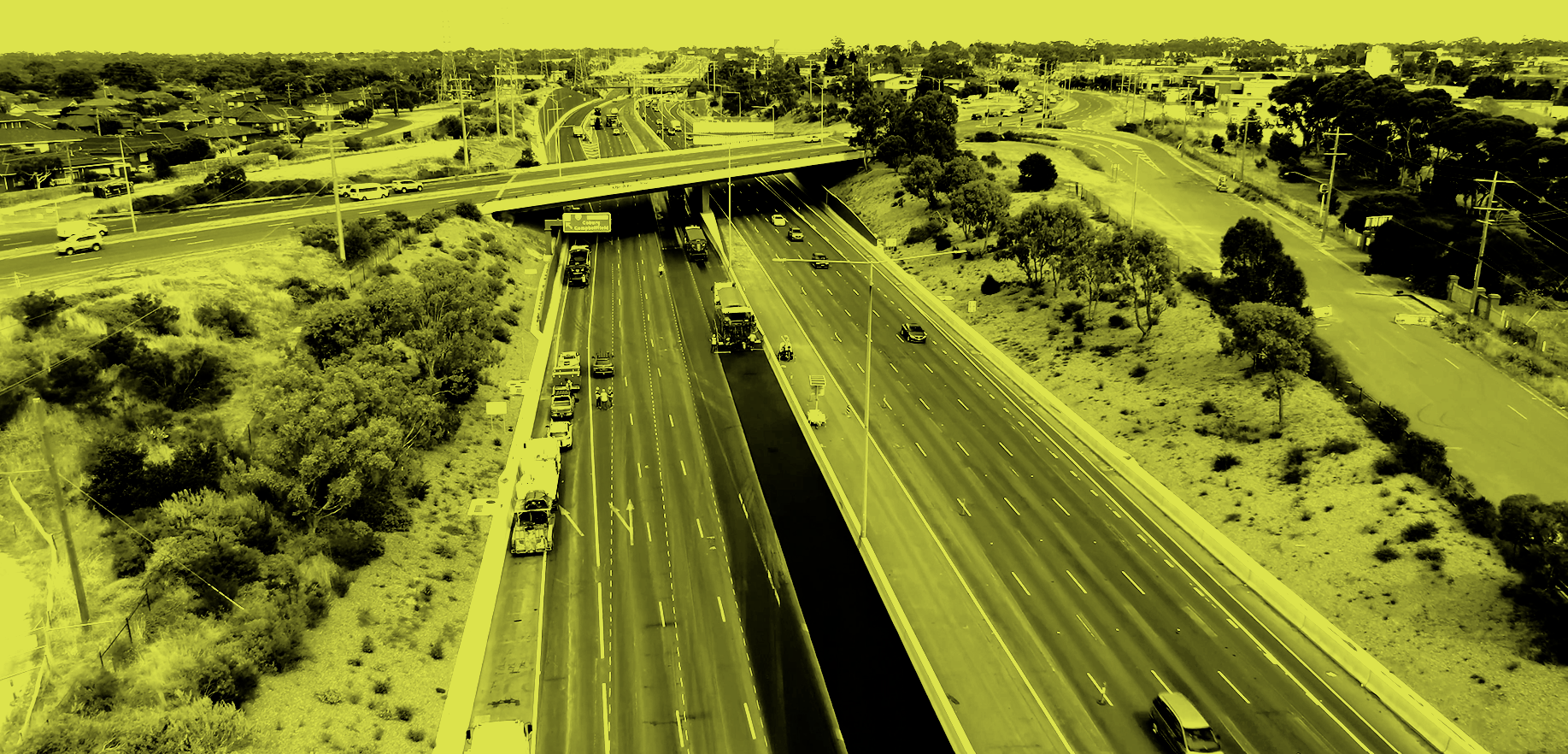
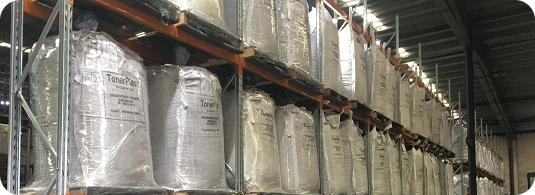
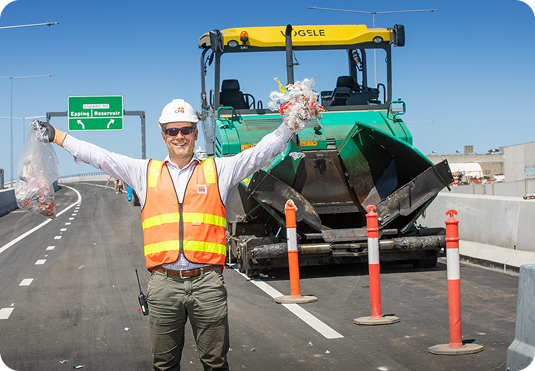
TonerBind™ is Close the Loop's innovative Dry Method Bitumen Substitute, engineered using recycled soft plastics and recovered waste toner powder. Added directly into the asphalt plant pug mill, TonerBind™ enables approximately 10% bitumen substitution by weight while maintaining performance and delivering circular economy outcomes at no net cost increase to the road owner.
TonerBind™ is a dry method bitumen substitute developed by Close the Loop Group to reduce reliance on virgin bitumen while creating a valuable end market for difficult-to-recycle waste streams.
Unlike conventional asphalt additives, TonerBind™ becomes part of the asphalt binder system, allowing approximately 10% of traditional bitumen to be substituted without increasing cost to the road owner.
Manufactured from recovered soft plastics and waste toner powder, TonerBind™ supports circular infrastructure by transforming challenging waste materials into high-value road construction products.
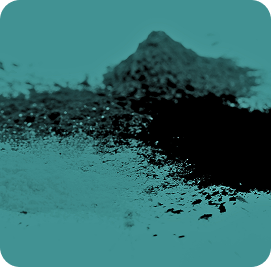
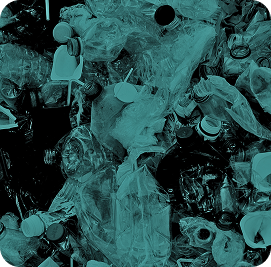
Made using two recovered waste streams:
.png)

Approximately 10% bitumen substitution by weight
Maintains asphalt performance using existing production processes
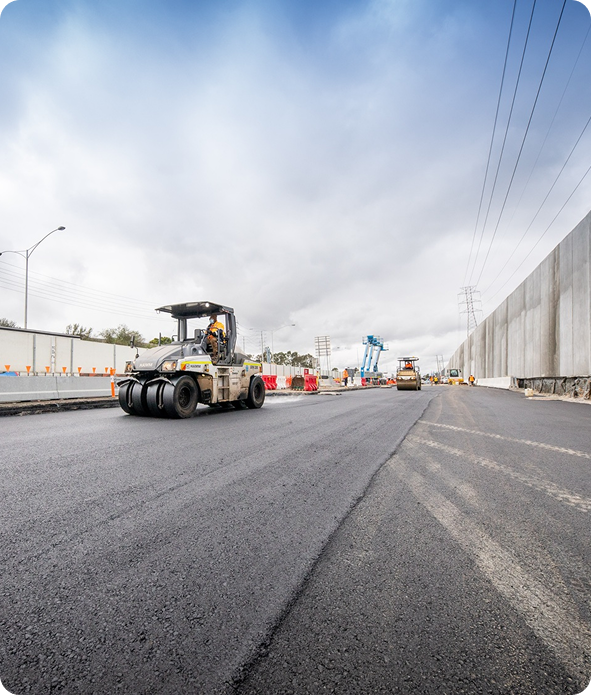
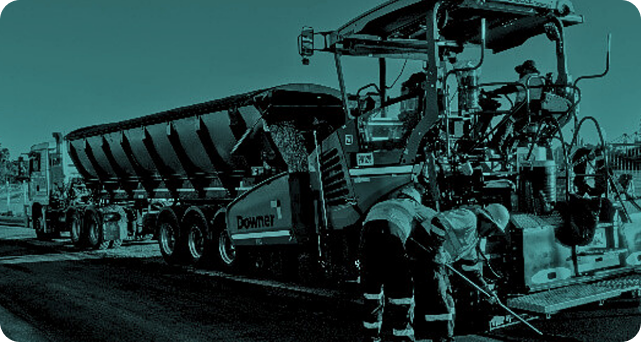
Dry method application directly into the asphalt plant pug mill
Designed for efficient integration into existing asphalt manufacturing
Supports long-term infrastructure performance

Reduces reliance on virgin bitumen
Creates high-value reuse for soft plastics and waste toner powder
Supports circular economy and ESG objectives
Keeps valuable resources in productive use
Manufactured by Close the Loop Group using recovered materials
.png)
Dry method product
Added directly at the asphalt plant pug mill
Suitable for hot and warm mix asphalt
Up to 1% by weight of total mix design
.png)
.png)
.png)
.png)
Local Government
State Road Authorities
Asphalt Manufacturers
Civil Contractors
Infrastructure Partners
.png)
.png)
Reduce virgin bitumen use, create value from recovered materials, and support Australia's transition to a more circular infrastructure industry.
What is TonerPlas® made from?

A unique blend of recycled toner powder, mixed soft plastic packaging, recycled oil, and other post-consumer plastic streams.
How long has TonerPlas® been in use?
TonerPlas® builds on more than a decade of R&D. The first TonerPlas® road was laid in 2013, with the first road using mixed soft plastics completed in 2018 in the City of Hume.
Is TonerPlas® certified for road use?
Yes. TonerPlas® meets formal industry standards, including:
ISCA – Recognised under the national Infrastructure Sustainability rating system
What about microplastics or leachate risks?
Independent testing by the NSW EPA found no increased risk of microplastics or leachate compared to standard asphalt. TonerPlas® melts into the asphalt binder and fully bonds with the bitumen matrix. Download the report here
Is asphalt with TonerPlas® recyclable at end-of-life?
Yes. Roads made with TonerPlas® are 100% recyclable as Reclaimed Asphalt Pavement (RAP), processed under the AAPA RAP Management Plan.
What is the expected lifespan of TonerPlas® roads?
Testing and field data show roads with TonerPlas® last 10–15% longer than conventional asphalt, reducing maintenance needs and whole-of-life costs.
How is TonerPlas® added to asphalt?
It is fed directly into existing asphalt production processes and melts at a lower temperature than asphalt, becoming part of the binder with no need for specialised equipment.
Does TonerPlas® affect asphalt performance?
Yes — positively. Independent testing shows improved fatigue life, rut resistance, and durability compared to conventional asphalt.
Does TonerPlas® replace Polymer Modified Binders (Binder / Bitumen)?
No. TonerPlas® is designed to enhance conventional bitumen (C170, C320). In some cases, it can offset a small portion of PMB in state road applications.
What dosage of TonerPlas® is used?
Typically 0.5–1.0% by weight of asphalt. At this dosage, every kilometre of road paved diverts the equivalent of hundreds of thousands of plastic bags and thousands of toner cartridges from landfill.
Does it change asphalt workability or odour?
No. TonerPlas® does not alter workability at the plant or on-site and produces no additional odour during production or laying.
How is product consistency ensured?
All raw materials are characterised and homogenised from known sources. TonerPlas® undergoes daily quality control checks to ensure consistent performance in asphalt.
Where does the toner powder come from?
Close the Loop is the world’s largest printer cartridge recycler. Toner powder is recovered from cartridges collected through tens of thousands of sites across Australia, New Zealand and repurposed into TonerPlas®.
Who is already using TonerPlas®?
More than 30 councils nationwide, along with major contractors such as Downer, Alex Fraser, and Asphaltec. TonerPlas® has been proven in municipal roads, commercial access roads, carparks, state infrastructure projects, and freeways including the Monash and M80.
.png)
From roads to packaging and electronics, see how Close the Loop® gives materials a second life.
%208.avif)
Stay current on Industry Updates & Circular Innovation
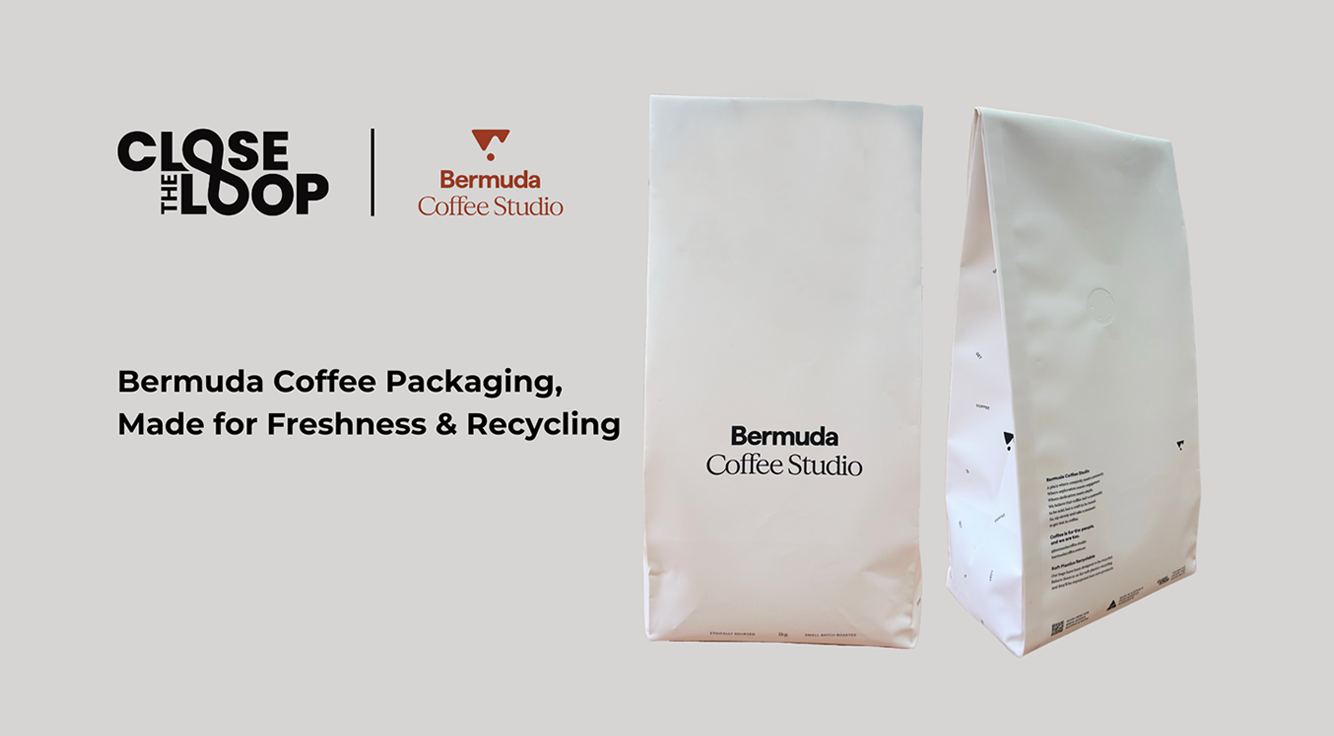
Coffee roasters have worked to build strong partnerships throughout their supply chain in order to...
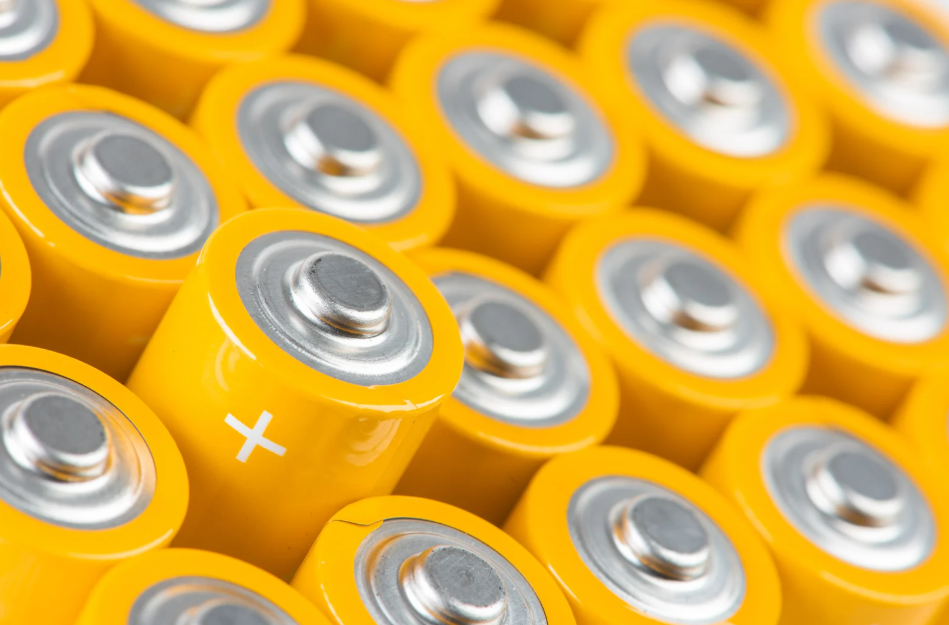
As our lives continue to become increasingly interwoven with technology, our reliance on battery-operated products...

With National Recycling Week approaching, it’s the perfect time to reflect on the growing e-waste...
Coffee roasters have worked to build strong partnerships throughout their supply chain in order to...
As our lives continue to become increasingly interwoven with technology, our reliance on battery-operated products...
With National Recycling Week approaching, it’s the perfect time to reflect on the growing e-waste...


